Bale Mountains National Park
BALE MOUNTAINS NATIONAL PARK
Size: 2,479 km2 (four)
Region: Oromia
Geographical Location: South east Ethiopia, Southern end of Eastern-edge of Rift valley mountain chain, 400km from Addis Ababa
Altitude: 1,500-4,377 m
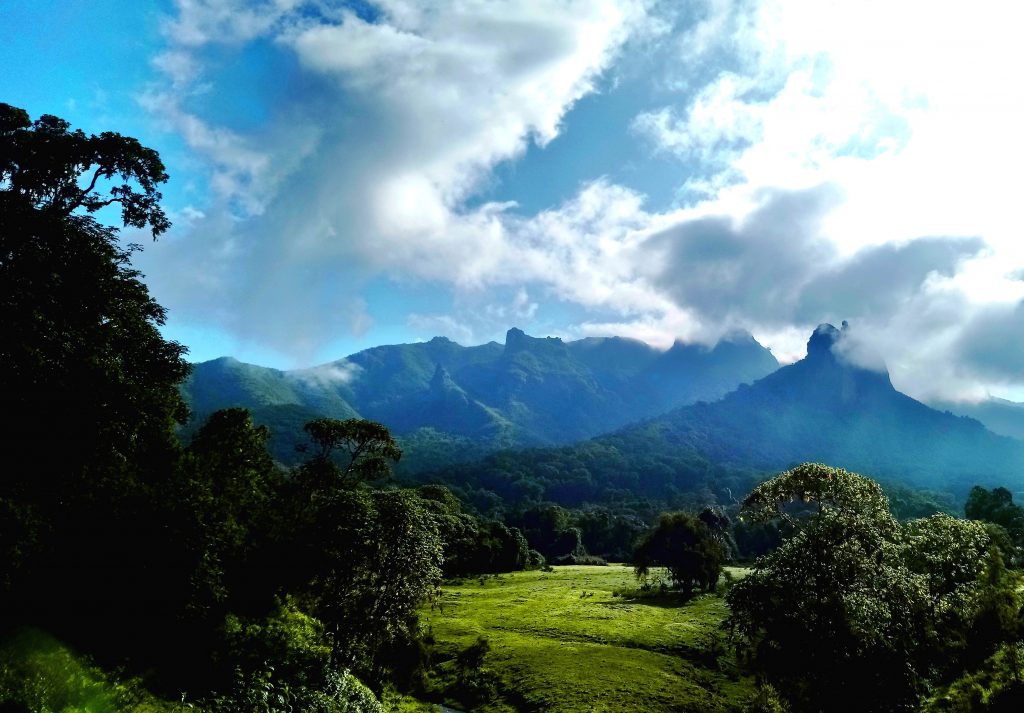
Physical Features: The extensive Afro-Alpine area contains alpine Lakes and the highest peak in Southern Ethiopian, Tulu Dimtu. The area of the parks divided into two major parts by the Hareman Escarpment that runs from east to west.
North of the escarpment is a high altitude plateau area, which dissected by many rivers and streams that, having cut deep gorges into the edges over the centuries. In some places this has resulted in scenic waterfalls. The northern part of the park is riverine plains. Bushland and wood; the center is high plateau of 4,000 meters, which is crossed by the highest all-weather road in Africa. The southern part of the park is forest.
Temperature: range from 7°C to 26°C, depending on the seasons.
Rainfall: is high, averaging 1,150mm and usually falls between March and October, as well as in other months.
Vegetation: In the north, are green riverine Plains bordered by bands of bushes, particularly St. john swort wild flowers from carpets of color. Fringing the hills are stands of hagenia and Junipers and above the mountain grasslands higher up the mountains heather appears. The high Sanity-Plateau is characterized by Afro-alpine Plants, some coping with the extreme temperature by coming small and others by becoming large. The best dominant Wildflower in the park is the everlasting flower. The southern part of the park is heavily forested. The heather forest is particularly mature here, draped with many lichens.
Fauna: The park was originally established to protect two of the Ethiopia's endemic species, the mountain Nyala and the semen fox or mammal in the park, eleven (11) of them endemic including Menelik's bushbuck, bohor, reed buck, grey duiker, Wortthog, several cat, colobus monkey, giant mole rat, African wild dog, bushpig, giant forest hog, lion & Anubis baboon.
Birdlife: The 220 bird species of Bale include 16 (sixteen) endemic species, many of which are easily seen. These include wattled Ibis, black-winged love bird blue-winged goose, Roget's rail, and thick billed raven. Wattled cranes are often seen on the high plateau in the wet season when they breed.
Visitor facilities: self-catering Lodge and campsite at park headquarters, camping allowed in park while trekking. Hotels in Goba and Robe. Museum.