Ethiopian New Year (Enkutatash)
ETHIOPIAN NEW YEAR (ENKUTATASH)
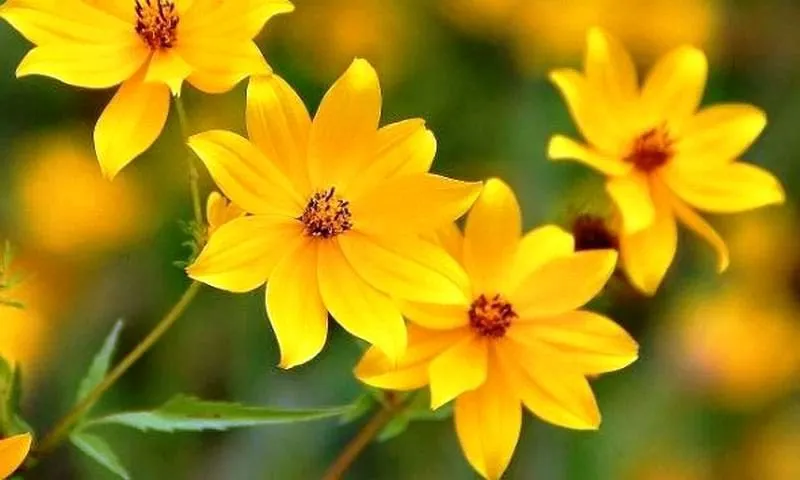
Ethiopian New Year, known as "Enkutatash" in Amharic, is celebrated on September 11th (or September 12th in leap years) according to the Gregorian calendar, marking the beginning of the Ethiopian year. This joyous celebration coincides with the end of the rainy season and the blooming of the golden daisy flower called "Adey Abeba," which gives the festival its name - Enkutatash literally means "gift of jewels."
The celebration has deep historical roots dating back to the biblical times when the Queen of Sheba returned from her visit to King Solomon in Jerusalem. According to Ethiopian tradition, her chiefs welcomed her back by replenishing her treasury with jewels (enku), hence the name Enkutatash. The festival marks not only the beginning of a new year but also the start of spring in Ethiopia, when the country transforms from the muddy rainy season to a landscape of green fields and blooming flowers.
During Enkutatash, children traditionally go from house to house singing songs and offering small bouquets of flowers and painted pictures in exchange for small gifts of money or bread. Families gather to share special meals featuring traditional foods like injera, doro wat, and honey wine (tej). The celebration is particularly vibrant in rural areas where communities come together for singing, dancing, and storytelling that continues late into the night.
The Ethiopian New Year is also a time for spiritual renewal and reflection. Many Ethiopian Orthodox Christians attend special church services, and it's common for people to make resolutions and seek forgiveness from family and friends. The festival represents hope, renewal, and the promise of prosperity in the coming year, making it one of Ethiopia's most beloved and widely celebrated cultural traditions that beautifully combines ancient customs with contemporary joy.