Hamar People
HAMAR PEOPLE
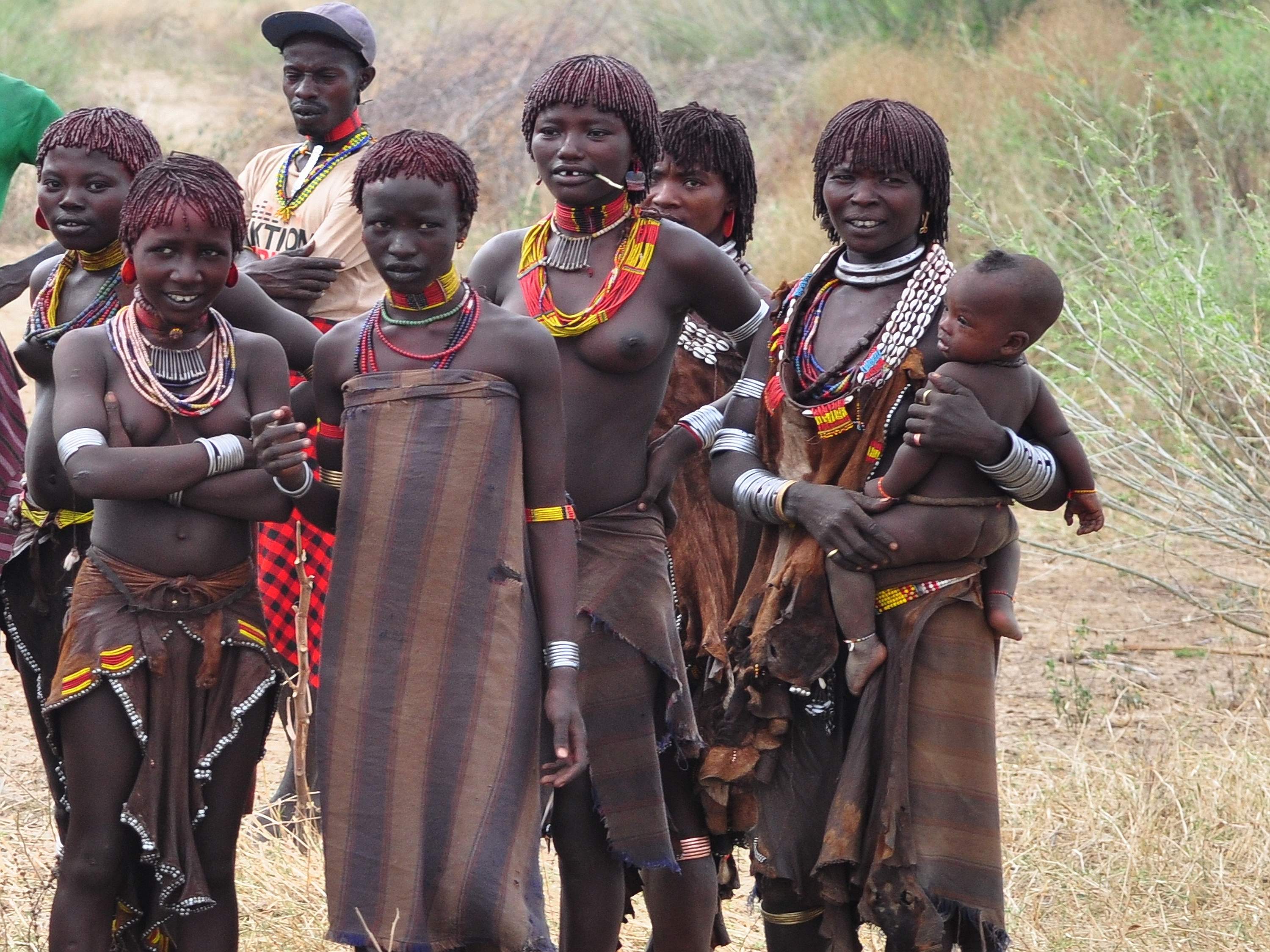
The Hamar people are one of the most culturally rich and fascinating ethnic groups in southern Ethiopia, inhabiting the fertile lands east of the Omo River. Known for their vibrant traditions, elaborate ceremonies, and distinctive cultural practices, the Hamar have maintained their ancestral way of life for generations while adapting to the changing world around them.
The Hamar are perhaps most famous for their spectacular bull jumping ceremony, known as "Ukuli Bula," which serves as a rite of passage for young men transitioning into adulthood. This dramatic ritual involves the candidate running across the backs of a line of bulls, demonstrating courage, agility, and readiness for marriage and adult responsibilities. The ceremony is accompanied by traditional songs, dances, and the participation of the entire community.
Hamar society is organized around a complex age-grade system and strong kinship ties. They are primarily pastoralists and agriculturalists, raising cattle, goats, and sheep while also cultivating crops such as sorghum and maize. Cattle hold special significance in Hamar culture, serving not only as a source of livelihood but also as symbols of wealth, status, and spiritual connection.
The Hamar people are renowned for their distinctive appearance, including elaborate hairstyles, colorful beadwork, and traditional clothing. Women wear leather skirts decorated with cowrie shells and metal ornaments, while men adorn themselves with clay hair buns and carry traditional weapons. Their rich oral traditions, including storytelling, poetry, and music, preserve their cultural heritage and pass down wisdom through generations.