Nyagatom (Bumi) People
NYAGATOM (BUMI) PEOPLE
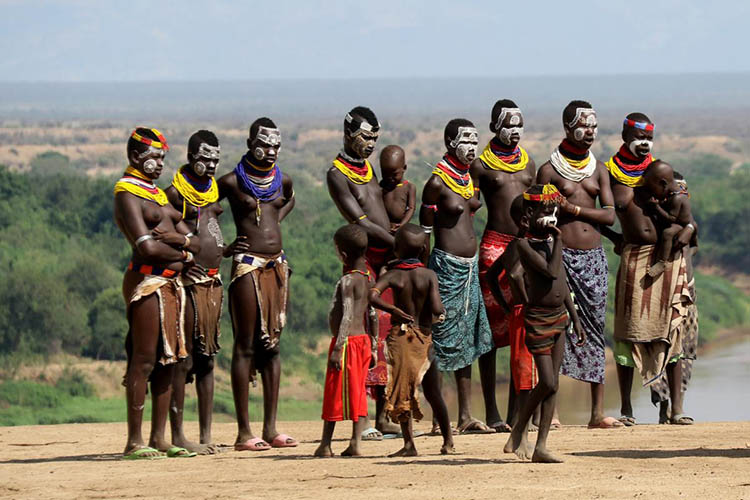
The Nyagatom people, also known as the Bumi, are a semi-nomadic pastoralist ethnic group inhabiting the remote borderlands between Ethiopia, Kenya, and South Sudan in the lower Omo Valley. Known for their fierce warrior traditions and deep connection to cattle culture, the Nyagatom have maintained their traditional way of life despite the challenges of living in one of Africa's most arid and conflict-prone regions.
The Nyagatom are renowned as skilled warriors and cattle raiders, with a social system that highly values bravery, cattle ownership, and martial prowess. Their society is organized around age-grade systems where young men must prove themselves through cattle raids and warfare before they can marry and become full adults. Cattle are central to their identity, serving not only as a source of food and wealth but also as symbols of prestige and spiritual significance.
Living in one of the harshest environments in East Africa, the Nyagatom have developed remarkable survival skills and mobility strategies. They practice seasonal migration with their herds, moving between dry season grazing areas and wet season pastures. Their traditional lifestyle includes fishing in the Omo River during certain seasons, hunting, and limited agriculture. The Nyagatom are known for their distinctive scarification patterns, traditional weapons, and colorful beadwork.
Nyagatom culture is rich in oral traditions, ceremonial practices, and community rituals that strengthen social bonds and preserve their heritage. Their traditional governance system is based on councils of elders who make important decisions about migration routes, conflict resolution, and community affairs. Despite facing increasing pressure from modernization and environmental challenges, the Nyagatom continue to maintain their unique cultural identity and traditional pastoralist lifestyle.