Tsemay People
TSEMAY PEOPLE
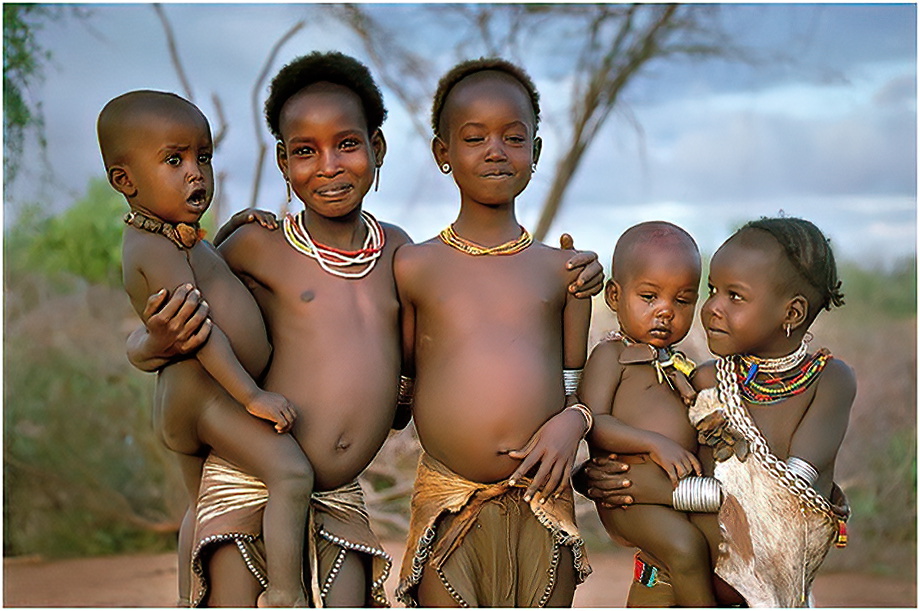
The Tsemay people are a distinctive agro-pastoralist ethnic group inhabiting the highlands of the South Omo Zone in southern Ethiopia. Known for their expertise in honey production and traditional beekeeping practices, the Tsemay have developed a unique culture that combines cattle herding, agriculture, and one of the most sophisticated honey-gathering traditions in Ethiopia, making them renowned throughout the region for their high-quality honey and beeswax products.
The Tsemay are master beekeepers who have perfected the art of honey production over centuries, using traditional techniques passed down through generations. They construct elaborate beehives from hollowed-out logs and place them strategically in trees and cliffsides to attract wild bee colonies. Their honey is considered among the finest in Ethiopia, prized for its purity and distinctive flavor that comes from the diverse highland flora of their territory.
Living in the fertile highlands at elevations between 1,200 and 1,800 meters above sea level, the Tsemay practice a mixed economy that includes cattle and goat herding, cultivation of crops such as sorghum, maize, and barley, and their renowned honey production. Their agricultural practices are well-adapted to their highland environment, utilizing terracing and crop rotation techniques that maintain soil fertility and prevent erosion.
Tsemay society is organized around strong clan structures and age-grade systems that govern social relationships and community decision-making. They maintain rich cultural traditions including elaborate initiation ceremonies, seasonal festivals celebrating the honey harvest, and traditional dances that reflect their connection to both pastoral and agricultural life. The Tsemay people offer visitors a unique glimpse into a culture where ancient beekeeping traditions continue to thrive alongside modern developments, representing one of Ethiopia's most specialized and culturally distinctive communities.