
Ethiopia Easter - Fasika
ETHIOPIA EASTER - FASIKA
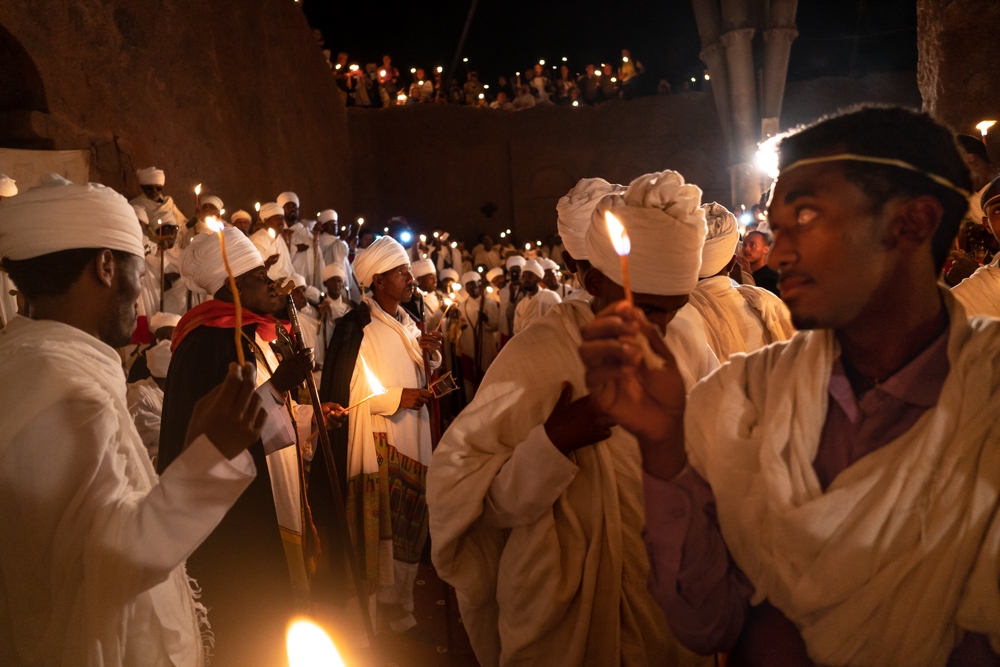
Ethiopia Easter, known as "Fasika" in Amharic, represents the most sacred and spiritually significant celebration in the Ethiopian Orthodox Church calendar. This holy festival commemorates the resurrection of Jesus Christ and typically falls between late March and early May, following the ancient Julian calendar used by the Ethiopian Orthodox Church. Fasika is the culmination of the Lenten season and marks the end of a rigorous 55-day fasting period, making it a time of profound spiritual renewal and joyous celebration for millions of Ethiopian Orthodox Christians.
The preparation for Fasika begins with "Hudadi" or "Abiy Tsom," the Great Lent, which is one of the most demanding fasting periods in Christianity. During these 55 days, faithful Orthodox Christians abstain from all animal products, including meat, dairy, eggs, and fish, while also observing additional spiritual disciplines such as increased prayer, almsgiving, and church attendance. The fasting period is broken only on Saturdays and Sundays, and the intensity of the fast increases during Holy Week, with some believers consuming only bread and water or fasting completely on certain days.
The Holy Week leading up to Fasika is filled with elaborate church services and rituals that reenact the final days of Christ's life. Palm Sunday marks the beginning of this sacred week, followed by services commemorating the Last Supper, the Crucifixion, and the Burial of Christ. The most solemn moment occurs on Good Friday with the "Siklet" ceremony, where a symbolic burial of Christ takes place. Churches are draped in black, and the faithful participate in mournful chants and prayers, creating an atmosphere of deep reverence and spiritual reflection.
The resurrection celebration begins at midnight on Easter Sunday with the joyous proclamation "Christ is Risen!" Churches burst into celebration with bells ringing, drums beating, and congregations singing triumphant hymns. Families break their long fast with traditional Easter foods, including "doro wat" (spicy chicken stew), "kitfo" (Ethiopian steak tartare), and freshly baked bread. The celebration continues for several days with family gatherings, gift-giving, and community feasts, making Fasika not only a religious observance but also a time of social renewal and cultural celebration that strengthens the bonds of Ethiopian Orthodox Christian communities worldwide.