Konso People
KONSO PEOPLE
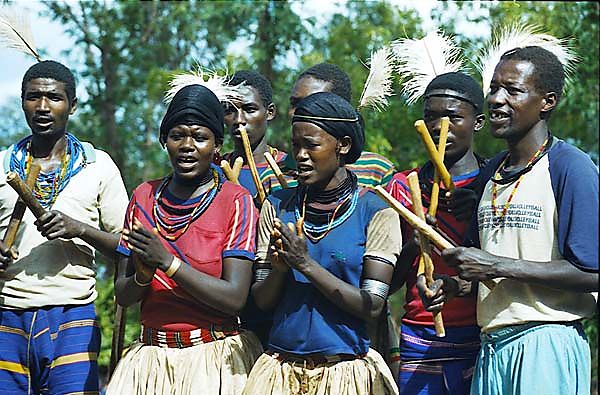
The Konso people are one of Ethiopia's most remarkable ethnic groups, inhabiting the arid highlands of southern Ethiopia in what is now known as the Konso Cultural Landscape, a UNESCO World Heritage Site. They are renowned for their extraordinary agricultural innovations, sophisticated terracing systems, and unique cultural traditions that have been preserved for over 400 years.
The Konso are master agriculturalists who have transformed the challenging landscape of their homeland into a productive agricultural system through ingenious terracing techniques. Their stone-walled terraces, built without mortar, prevent soil erosion and create fertile plots for growing crops such as sorghum, maize, and cotton. This sustainable farming system has allowed them to thrive in an otherwise harsh environment and serves as a model for sustainable agriculture in arid regions.
One of the most distinctive aspects of Konso culture is their tradition of erecting wooden memorial statues called "waga" to honor deceased community leaders and heroes. These intricately carved totems, placed in sacred groves, represent the deceased along with their wives and defeated enemies, serving as important cultural markers that preserve the history and achievements of the community. The waga tradition reflects the Konso people's deep respect for their ancestors and their sophisticated artistic abilities.
Konso society is organized around a complex age-grade system and strong community governance structures. Their fortified hilltop villages, surrounded by stone walls, demonstrate their historical need for defense and their remarkable architectural skills. The Konso people maintain rich cultural traditions including elaborate festivals, traditional dances, and oral histories that celebrate their heritage and strengthen community bonds across generations.