Dassenech People
DASSENECH PEOPLE
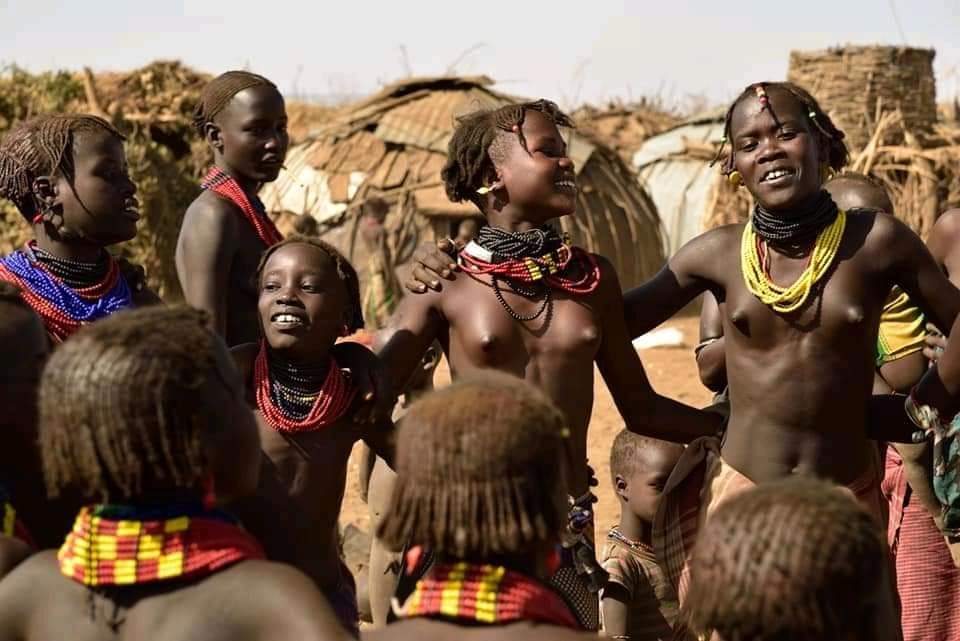
The Dassenech people, also known as the Galeb, are a resilient agro-pastoralist ethnic group inhabiting the delta region where the Omo River meets Lake Turkana in southwestern Ethiopia. Living in one of the most challenging and dynamic environments in East Africa, the Dassenech have developed a sophisticated mixed economy that combines cattle herding, flood-retreat agriculture, and fishing, making them one of the most adaptable communities in the region.
The Dassenech are renowned for their innovative agricultural practices, particularly their mastery of flood-retreat farming along the Omo River. They skillfully utilize the annual flooding cycles to cultivate crops such as sorghum, maize, and beans on the fertile alluvial soils left behind by receding waters. This sustainable farming system, combined with their cattle herding and fishing activities, has allowed them to thrive in an otherwise harsh and unpredictable environment.
Culturally, the Dassenech society is organized around age-grade systems and strong clan relationships. They are known for their distinctive scarification patterns, colorful beadwork, and traditional ceremonies that mark important life transitions. The Dassenech have a rich oral tradition that includes epic stories, songs, and proverbs that preserve their history and cultural wisdom. Their society values both individual achievement and community cooperation, with elaborate rituals celebrating successful harvests, cattle raids, and coming-of-age ceremonies.
The Dassenech people face significant challenges from environmental changes and development pressures, particularly the construction of dams upstream that affect the natural flooding patterns crucial to their agricultural system. Despite these challenges, they continue to maintain their cultural identity and traditional practices while adapting to changing circumstances. Their remarkable resilience and cultural diversity make them an important example of successful adaptation to environmental challenges in East Africa.